How to Know If You Need Emergency Dental X-Rays in Plano TX


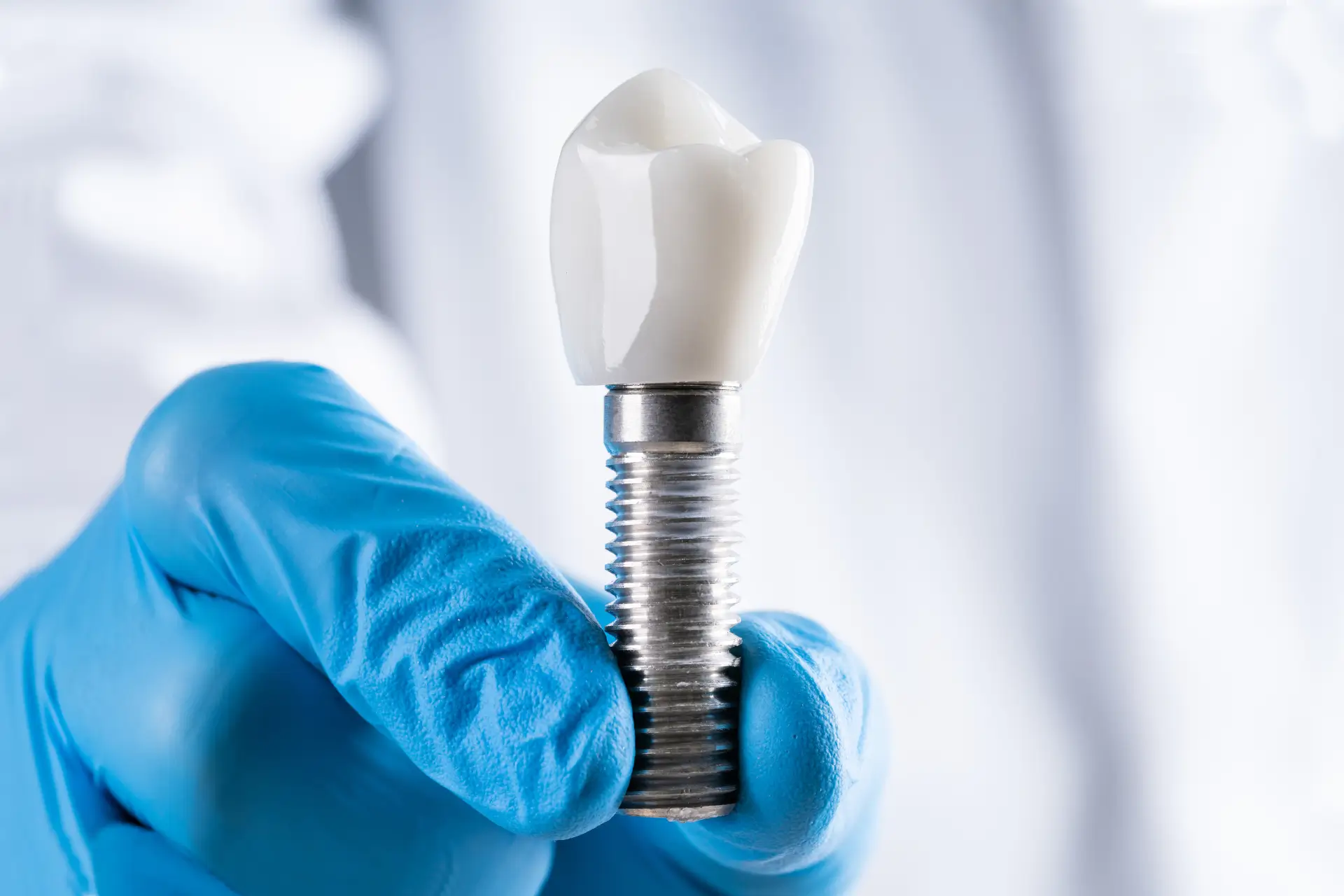
A dental injury can look minor and still hide a serious problem. That is the part many people do not expect. A chipped front tooth may be mostly cosmetic, while a tooth that looks intact after a fall could have a root fracture, internal damage, or bone trauma that only shows up on an X-ray. In emergency dentistry, what hurts is not always the whole story, and what does not hurt yet can still become urgent by morning.
Patients in Plano often call with the same basic question after an accident or sudden pain: do I really need X-rays right away, or can the dentist just take a look? Sometimes a visual exam is enough to identify a soft tissue issue, a lost filling, or mild irritation. Quite often, though, emergency dental X-rays are what separate a temporary patch from the right diagnosis. They help a dentist see what the eye cannot, especially below the gumline and inside the tooth.
If you are dealing with a possible Dental Emergency Plano TX situation, the decision usually comes down to mechanism, symptoms, timing, and risk. How the injury happened matters. What you feel matters. What you do not feel yet can matter just as much.
Why X-rays matter in a true dental emergency
Emergency dental X-rays are not taken just to gather routine records. They are used to answer specific urgent questions. Is the tooth cracked into the root? Has a blow shifted the tooth in the socket? Is there an abscess causing facial swelling? Did a child’s tooth injury affect the developing permanent tooth underneath? Is jaw pain after a fall actually a fracture?
A careful clinical exam can reveal a lot. A dentist can check mobility, gum bleeding, bite changes, sensitivity, swelling, and visible fracture lines. Even so, many dental emergencies involve structures that are hidden by enamel, gum tissue, or bone. X-rays reveal those hidden areas and often change the treatment plan.
A classic example is a patient who bites down on something hard, hears a sharp crack, and notices pain only when chewing. The tooth may show nothing dramatic on the surface. An X-ray can reveal a deep fracture, a failing old filling with decay underneath, or inflammation near the root tip. Without that image, treatment becomes guesswork, and guesswork is a poor strategy when pain is active and infection is possible.
The situations that most often call for emergency dental X-rays
Some cases almost always justify imaging because the chances of hidden damage are high. If you were hit in the mouth during sports, slipped on a wet floor, or were in a car accident with facial impact, an X-ray is often part of the initial workup. Trauma can loosen teeth, injure supporting bone, and damage roots in ways that are not visible in a mirror.
Sudden swelling is another major reason. Swelling near the gums, cheek, or jaw can signal infection spreading beyond the tooth itself. A dentist needs to know whether the source is a localized abscess, a deep decay issue, a failed root canal, or something unrelated to the tooth that needs a different type of referral. X-rays help narrow that down quickly.
Then there is severe toothache, especially when it wakes you at night, intensifies with pressure, or radiates into the ear or jaw. Pain can come from decay, a cracked tooth, pulp inflammation, infection, sinus pressure, gum disease, or grinding-related damage. Symptoms overlap. An X-ray adds the structural evidence that helps sort them apart.
A knocked-out tooth, partially displaced tooth, or tooth that suddenly feels longer or shorter than the others also deserves imaging. The concern is not only the tooth itself. The socket, surrounding bone, and neighboring teeth may be involved.
Signs that should raise your suspicion right away
You do not need to diagnose yourself, but certain symptoms should push you toward prompt evaluation, and often toward prompt X-rays as part of that visit.
Here are the clearest warning signs:
- You had a blow to the mouth, jaw, or face and now your bite feels off.
- A tooth is loose, pushed out of position, or painful when tapped.
- You have swelling in the gums, cheek, or jaw, especially with fever or a bad taste in your mouth.
- Sharp pain starts when chewing, releasing your bite, or drinking something hot or cold.
- Part of a tooth broke and the exposed area looks pink, dark, or unusually deep.
That list does not cover every emergency, but it captures the patterns that most often point to damage below the surface. When those signs show up, a dentist is usually not ordering an X-ray out of habit. The image is part of immediate decision-making.
When a visual exam alone may not be enough
There are dental problems that look simple at first glance. A lost crown is a good example. If the crown came off cleanly, the tooth underneath is intact, and there is no pain beyond mild sensitivity, the appointment may be straightforward. But if the underlying tooth structure is fractured, decayed, or tender to biting, an X-ray becomes much more useful. It can reveal whether the remaining tooth can support a recemented crown, needs a buildup, or has deeper trouble.
The same is true with chipped teeth. A small chip on the edge of a front tooth may be repaired cosmetically with no imaging at all if there is no sensitivity and no trauma history. Compare that with a patient who chipped a tooth in a basketball game and now reports soreness near the gumline. Even if the chip itself looks minor, the impact may have caused root or socket damage. The surface break is not always the main issue.
Nighttime pain is another area where visual findings can mislead. Teeth with internal inflammation can appear normal until the X-ray reveals decay near the nerve, widening around the root tip, or bone loss from infection. When pain is significant but the mirror shows little, imaging often explains the disconnect.
Cracked teeth are one of the easiest emergencies to underestimate
Cracked teeth can be notoriously difficult to evaluate because the symptoms can come and go. Many patients describe a zinger when chewing, followed by periods where the tooth seems almost fine. They may not see anything visible. Sometimes even the dentist cannot spot the full crack directly because it runs vertically, below the gumline, or under a large filling.
An X-ray does not catch every crack, especially if the fracture line is very fine or oriented in a way that hides it. Still, it can show important secondary signs, such as bone loss patterns, root involvement, or old restorations that make a crack more likely. Combined with bite testing and a close exam, it gives the dentist a much clearer picture than symptoms alone.
This is one of those edge cases where patients sometimes wait too long because the pain is intermittent. Unfortunately, a crack that starts small can deepen under repeated chewing forces. A tooth that might have been saved with a crown on Monday can become a root canal or extraction case by Friday if the crack progresses.
Swelling changes the urgency
Not every dental emergency is dramatic, but swelling should always get your attention. Gum swelling around one tooth can sometimes reflect a local issue that is manageable if treated promptly. Facial swelling, by contrast, raises concern that infection is spreading into surrounding tissues. If you have trouble swallowing, trouble breathing, a fever, or significant swelling extending into the cheek or under the jaw, that is no longer a wait-and-see problem.
In those scenarios, an emergency dental X-ray helps identify the likely source tooth, the extent of bone involvement, and whether drainage or other immediate treatment may be needed. It is not the only tool a dentist uses, but it often guides whether the next step is antibiotics, root canal therapy, extraction, referral, or urgent medical evaluation.
People sometimes assume swelling equals a visible cavity. Not necessarily. I have seen severe swelling from teeth with old fillings that looked serviceable from the outside. The damage was beneath the restoration or at the root tip, and the X-ray told the real story.
Injuries in children need careful judgment
Parents often hesitate to approve X-rays after a child bumps a tooth because they worry about radiation or because the child insists everything feels okay. The challenge is that pediatric dental trauma can affect both the injured baby tooth and the developing adult tooth beneath it. In some cases, the baby tooth may be intruded, root-fractured, or pressing on the permanent tooth bud.
A child who falls at the playground and seems calm ten minutes later can still need imaging if the tooth is displaced, bleeding around the gums is significant, or the bite has changed. Dentists do not take emergency X-rays on children casually. They weigh necessity, age, cooperation, and exposure very carefully. But when the risk of hidden injury is real, the information is worth having.
There is also the opposite situation, where parents wait because the tooth is a baby tooth and assume it does not matter. It does matter. Infection, displacement, and trauma can affect speech, eating, comfort, and the eruption path of the permanent teeth.
What kinds of emergency dental X-rays might be used
The type of X-ray depends on the problem. A small intraoral image may focus on one tooth and its root. A panoramic image can show the entire jaw and is useful for broader trauma, wisdom tooth issues, or suspected fractures. Sometimes more than one view is needed because a single angle can miss the actual position or extent of an injury.
Most emergency dental offices in Plano use digital radiography, which is faster than older film systems and allows the dentist to enlarge the image for closer review. That helps in trauma cases when time matters and comfort is limited. If your mouth is sore, the team may adjust technique to reduce pressure while still getting a diagnostic image.
Patients are often surprised by how targeted this process is. The dentist is not necessarily taking a full set of routine records. In emergency care, the goal is usually to answer a narrow clinical question as efficiently as possible.
Radiation concerns are real, but context matters
It is reasonable to ask whether the X-ray is necessary. Patients should ask. A good dentist should be able to explain why the image matters and what decision it will help make. That conversation is part of informed care.
At the same time, fear of radiation should be weighed against the cost of missing an abscess, root fracture, bone injury, or severe decay near the nerve. Modern dental X-rays involve relatively low exposure, especially with digital systems. Exact levels vary by machine and by image type, but in day-to-day practice the larger concern is usually not the X-ray itself. It is delayed https://donovanseop265.theburnward.com/dental-emergency-plano-tx-help-for-cracked-crowns-and-bridges-1 diagnosis.
The more useful question is not, “Can I avoid an X-ray?” but “What problem are we ruling in or ruling out, and what happens if we miss it tonight?” For many emergency visits, that framing makes the answer clear.
Cases where you may not need immediate X-rays
Not every urgent dental issue requires imaging on the spot. A small soft tissue cut on the lip, a minor irritation from food lodged around the gums, or a crown that popped off without pain may be manageable without X-rays, depending on the exam findings. Mild tooth sensitivity after whitening, for instance, is uncomfortable but usually not an emergency imaging issue.
There are also situations where symptoms are clearly coming from something outside the tooth, such as a canker sore or irritation from orthodontic hardware. If the dentist can identify the cause confidently through examination, an X-ray may add little.
Even then, judgment matters. What starts as a “lost filling” visit can turn into an imaging case if the tooth is now tender, decay is extensive, or the fracture extends deeper than expected. Emergency dentistry is rarely one-size-fits-all.
What to expect if you go in for a Dental Emergency Plano TX visit
Most emergency appointments move quickly, but they are usually more thorough than patients expect. The dentist will want a short history first. When did the pain start? What triggered it? Was there trauma? Is the pain constant or only with biting? Have you noticed swelling, drainage, fever, or numbness? Even small details can point toward the right image and the right treatment.
After that comes the clinical exam. The dentist may test bite pressure, tap the tooth gently, check gum tissue, look for mobility, and evaluate how your teeth fit together. If the findings suggest internal damage, infection, or bone involvement, X-rays typically follow right then rather than at a later date.
From there, treatment depends on what the image shows. Sometimes the answer is simple, such as smoothing a rough edge or recementing a crown. Sometimes it involves stabilizing the problem and planning definitive care soon after, especially if swelling or severe pain is present.
Questions worth asking before the X-ray is taken
Patients should feel comfortable asking why an X-ray is being recommended. In fact, that conversation often reduces anxiety because it makes the purpose concrete instead of abstract.
A few useful questions can help:
- What are you looking for on this X-ray?
- Will the image change today’s treatment decision?
- Is one image enough, or do you need more than one angle?
- If I delay the X-ray, what are the risks?
- Are there treatment options depending on what you find?
Those questions are practical, not confrontational. A thoughtful dentist will answer them plainly. Emergency care works best when the patient understands the goal and the likely next steps.
The role of timing, especially after trauma
Timing matters more than many people realize. Right after an injury, swelling and adrenaline can mask symptoms. A tooth can feel stable in the first hour and become increasingly loose or painful later that evening. Bone injuries can be subtle at the start. This is one reason dentists often recommend prompt evaluation after dental trauma instead of waiting to “see if it settles down.”
Another issue is tooth survival after displacement or avulsion. If a tooth has been knocked out or shifted in the socket, the window for successful treatment is limited. X-rays help the dentist check socket integrity, rule out additional fractures, and position the tooth properly if reimplantation or splinting is possible.
Delays also complicate infection cases. A draining abscess might briefly feel better because pressure has decreased, but the underlying source remains. By the time pain returns, the infection may be larger and treatment more involved.
How to tell the difference between urgent and truly emergent
The public uses the word emergency very broadly, and dental offices know that. Some issues are urgent but not dangerous, such as a chipped tooth without pain or a lost retainer wire. Others are true emergencies because they involve active infection, uncontrolled bleeding, trauma, or severe pain from internal damage.
If your face is swelling, your tooth was knocked out, your jaw may be injured, or your bite changed after an impact, do not assume this can wait for a routine appointment. Those are the moments when emergency dental X-rays are often essential, not optional.
If the issue is mild discomfort, no swelling, and no trauma history, you may still need care, but perhaps not same-day imaging. A quick call to an emergency dental office can help sort that out. Most teams can tell from the symptoms whether they need to reserve time for imaging and treatment.
The practical bottom line for Plano patients
If you are unsure whether you need emergency dental X-rays, think in terms of hidden damage. Pain with pressure, swelling, trauma, mobility, a changed bite, and deep fractures all raise the odds that something important is happening below the surface. In those cases, the X-ray is not a formality. It is often the tool that prevents the wrong treatment, the missed infection, or the avoidable loss of a tooth.
A good emergency dentist in Plano will not order images blindly, but they also will not guess when an image could reveal a cracked root, abscess, displaced tooth, or jaw injury. That is the balance patients want: careful judgment, not reflex, and not delay.
When a dental problem feels sudden, intense, or structurally wrong, trust that instinct. The right X-ray at the right time can turn a vague, stressful situation into a clear plan, and in emergency dentistry, clarity is half the battle.
Vitality Dental
Address: 1220 Coit Rd #106, Plano, TX 75075
Phone number: +19726454100
FAQ About Dental Emergency Plano TX
What can the ER do for a tooth?
An emergency room (ER) can manage pain and treat severe infections with medication, but it cannot fix or pull a tooth.
What is considered a dental emergency?
A dental emergency is any oral health problem that involves severe pain, uncontrollable bleeding, or an infection that threatens your health or requires immediate care to save a tooth.
Is there a 24-hour dental service in Plano, TX?
There is no physical dental clinic in Plano, Texas, that stays open with walk-in staff 24 hours a day, but several offices offer 24/7 phone support, late-night hours, or same-day emergency care.